
When we think about coffee, we often think about the warm cup in our hands — brewed to perfection, a source of comfort, energy, or even conversation. But in Nepal, where the hills grow some of the world’s finest Arabica beans, the future of coffee cannot be left to just good brewing. It must be built — thoughtfully, strategically, and collaboratively — from the ground up.
The Promise of Nepali Coffee
Nepali coffee has made significant strides in recent years. Grown in high-altitude regions like Gulmi, Palpa, Dhankutta and Sindhupalchowk, our beans are naturally organic, shade-grown, and carry the potential to stand alongside premium global brands. International buyers are beginning to take notice, and boutique roasters from Europe, Japan, and the U.S. are showing interest. Yet, for most farmers and producers, coffee remains a marginal activity rather than a central economic driver.
Brewing Isn’t Enough — Why We Must Build
The global coffee industry is undergoing a transformation. With climate change, supply chain disruptions, and changing consumer preferences, relying only on tradition or luck is no longer viable. For Nepal, this means the journey must move beyond cultivation and basic export. It must extend into building a complete ecosystem: production, processing, branding, marketing, and domestic consumption.
Here’s how Nepal can build, not just brew, its coffee future:
1. Invest in Infrastructure and Quality Control
Farmers often lack access to consistent processing equipment. Wet mills, drying beds, and quality testing labs are rare or unevenly distributed. To compete globally, we must invest in infrastructure that maintains bean quality from harvest to export. Public-private partnerships and co-operatives can play a vital role in creating shared facilities.
2. Empower Local Roasters and Cafés
Nepal’s café culture is thriving in urban areas, but most cafés still rely on imported beans. Why not create pride in local coffee consumption? Roasters need technical support and access to consistent supplies. Baristas should be trained to understand and celebrate the unique flavors of Nepali terroir. Think “farm-to-cup” storytelling that resonates with both locals and tourists.
3. Train Farmers in Business, Not Just Agriculture
Many farmers view coffee as a secondary crop, often unsure how to negotiate with buyers or manage their own brands. Business literacy — especially in finance, marketing, and digital skills — is crucial. Initiatives like mobile-based bookkeeping or cooperative-led training can help farmers view themselves as entrepreneurs, not just producers.
4. Build a National Brand for Nepali Coffee
Ethiopia has Sidamo, Colombia has Supremo. Nepal needs its own coffee identity. A well-defined national brand can unite producers, elevate global recognition, and increase consumer trust. This includes origin labelling, storytelling, and certification that aligns with global fair-trade and sustainability standards.
To learn about of our story behind Baari Roastery Visit here: Our Story – Baari Roastery
5. Foster Innovation and Youth Involvement
Many young people are migrating abroad, leaving farming to older generations. But coffee offers a fresh narrative — a crop that connects agriculture with creativity, sustainability, and entrepreneurship. Programs that fund youth-led coffee startups, cafes, or export ventures could keep talent in the country while energizing the sector.
6. Go Digital — Locally and Globally
Digital marketing, traceability platforms, and e-commerce can connect Nepali farmers with both local and international markets. From selling roasted beans online to using QR codes that trace coffee back to its farm, tech can be a game-changer for trust, transparency, and value addition.
Conclusion: Building the Legacy We Deserve
The future of Nepali coffee isn’t written yet. It’s not in the hands of global buyers or middlemen — it’s in ours. If we treat coffee not just as a crop but as a culture and industry, we can craft a future where hills and harvests transform into livelihoods and legacies.
Let’s not just brew coffee. Let’s build it.
About the Authors:
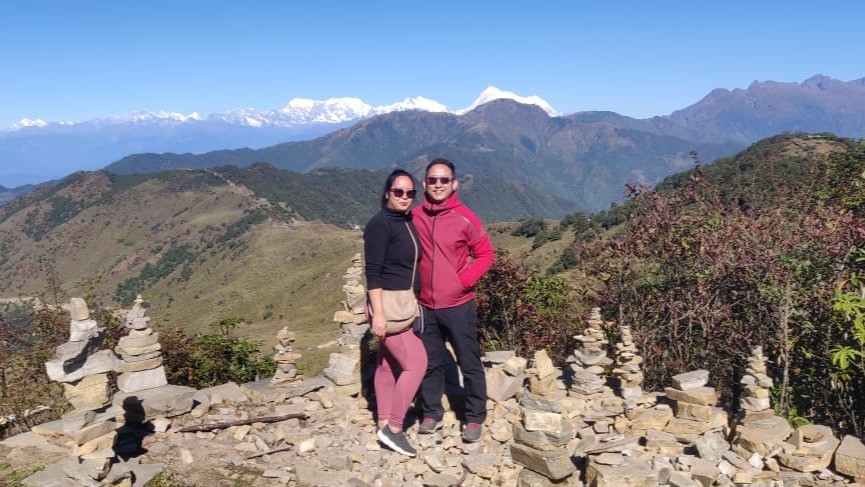
Yunesh Raj Shrestha & Dina Pradhan, is a Nepali entrepreneurs and advocate for sustainable economic development. Yunesh is the founder of Baari Roastery, a purpose driven coffee brand dedicated to uplifting Nepal’s coffee brand dedicated to uplifting Nepal’s coffee ecosystem through ethical sourcing, community engagement, and storytelling. Along with co-founder Dina, Yunesh has built Baari Coffee as a platform that connects farmers, roasters, and consumers — celebrating Nepali coffee not just as a product, but as a culture. Both the couples together, they are working to ensure that Nepali coffee gains the recognition it deserves both locally and globally, while creating dignified opportunities across the value chain.